
Waterbeach, Wimpole, Melbourn, Swavesey and Caxton share £8,300 in the latest Community Chest round. The next deadline is the 7th of the month.
Five projects in Waterbeach, Wimpole, Melbourn, Swavesey and Caxton are sharing £8,300 from South Cambridgeshire District Council’s Community Chest, announced on 11 September. The money pays for a babysitting course, urgent repairs to a village church, kit for a Brownie pack, battery storage at a squash club and the restoration of an overgrown pond. (South Cambridgeshire District Council, 11 September 2026)
It is the smallest of the three rounds the council has announced this financial year, and it comes with a deadline attached for anyone thinking of applying: the Grants Advisory Committee only considers applications received by the seventh day of the month.
Where the money goes
- Waterbeach and Landbeach Action for Youth, £1,604. A babysitting and first aid course for 14 to 16 year olds. The council says it is aimed at childcare and safeguarding skills, and at confidence, communication and employability.
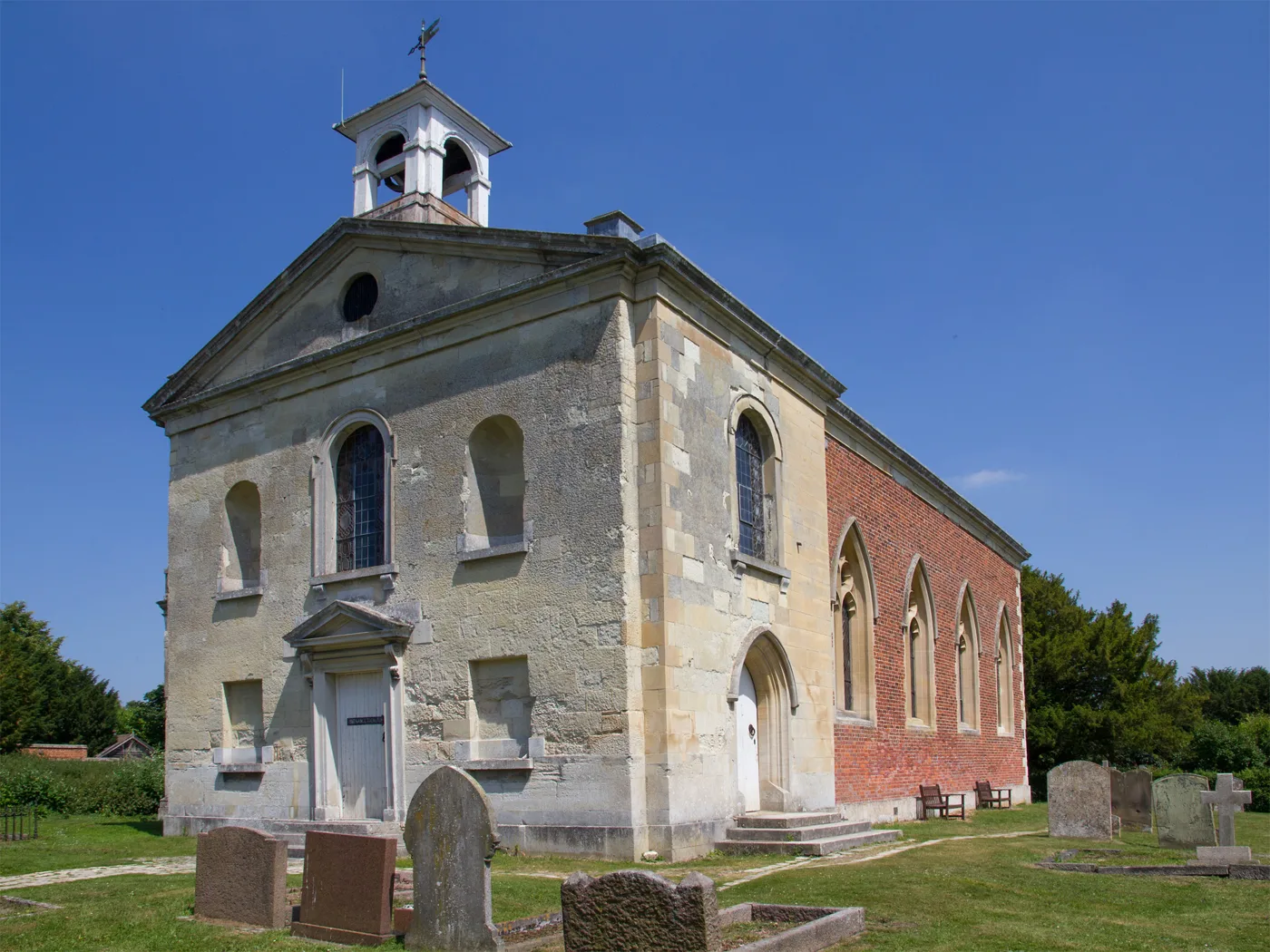
- St Andrew’s Church, Wimpole, £2,000. Urgent repairs to deal with water ingress and deteriorating masonry, plus work on two monuments: reattaching a detached stone lion and conserving a 19th-century brass memorial plaque.
- 1st Melbourn All Saints Brownies, £696. Activity resources, storage, badge materials and high-visibility vests for outdoor and community activities.
- Swavesey Squash Club, £2,000. Battery storage to go with a wider solar project, to cut energy costs and raise the club’s use of renewable electricity. The council says the club has more than 200 members.
- Caxton Parish Council, £2,000. Restoring an overgrown village pond at the junction of Gransden Road and St Peters Street, to improve habitat for great crested newts and other wildlife.
Four of the five, worth £6,300, come from the main Community Chest stream. Caxton’s £2,000 comes from the council’s ring-fenced biodiversity funding.
The rounds are getting smaller
The council has now announced three sets of Community Chest awards in the 2026-27 financial year. Each has been worth less than the one before.
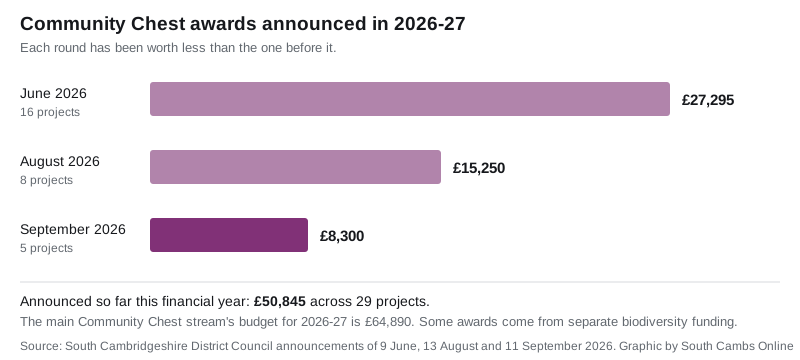
That is £50,845 announced across 29 projects since April. The council’s Community Chest page puts the main stream’s budget for 2026-27 at £64,890.
Those two figures cannot be set directly against each other. The council has not published a split between the main stream and the ring-fenced biodiversity money for the 16 projects announced in June, several of which were environmental, so some of the £50,845 came from outside the £64,890. What the trend does show is that the amounts are falling round by round, with more than six months of the financial year still to run.
Wimpole’s church is listed a grade higher than the council says
The council’s announcement calls St Andrew’s at Wimpole a “Grade II listed building”. The National Heritage List for England records it as Grade II*, list entry 1330900, first listed on 22 November 1967. Historic England defines Grade II* as “particularly important buildings of more than special interest”, and says around 5.8% of listed buildings are in that class, against 91.7% at Grade II.
It is a small slip in a press release. We flag it because the grade is what governs how the fabric can be altered, and who has to be consulted first.
The building explains the repair bill. The medieval church on the site was replaced in 1749 by a new building designed by Henry Flitcroft, keeping the 14th-century north chapel. The west end nearest Wimpole Hall is faced in clunch, a soft local chalk stone that weathers badly, while the nave is red brick. The north chapel holds the Yorke family monuments, including Philip, first Earl of Hardwicke, by James Stuart, and a 17th-century alabaster tomb to Sir Thomas Chicheley.
What Caxton’s pond has to get right
Great crested newts are a European protected species. It is an offence to kill, injure or disturb them. It is also an offence to damage or destroy a place they use for shelter or breeding. Work on a pond they use normally needs a licence from Natural England. (Natural England and Defra guidance)
That is not an obstacle to the Caxton project, which is being done to help the newts rather than to build on them, but it does mean the timing is not free. Pond works are usually scheduled outside the breeding season. The parish council, not the district council, will publish the dates, so its meeting papers and notice board are where the timetable will appear.
What it means for you
If your group wants some of this money, the timetable is the thing to plan around.
- Applications must be received by the seventh day of the month to be considered at that month’s Grants Advisory Committee. Miss it and you wait until the next one.
- The maximum is £2,000 in any one financial year, April to March, and a grant can cover up to 100% of a project’s cost.
- Eligible applicants are community groups and community interest companies based in or benefiting South Cambridgeshire, public bodies with a community focus, and parish or town councils with fewer than 200 registered electors. That last rule is why a parish the size of Caxton can apply and a large village cannot.
- You will need a constitution or mission statement, your latest accounts, a quote for the work, a safeguarding policy, a bank statement dated within the last month, and written support from a district councillor.
- The biodiversity stream is currently shown as closed to new applications on the council’s page, even though a biodiversity award has just been made. Awards land months after the bids that won them, so a closed stream does not mean a quiet one.
Full details and the application form are on the council’s Community Chest page.
There is a second pot open right now, and it closes on 31 October. Under the council’s Six Free Trees scheme, every parish and town council in the district can claim one of two things. Either six native whips, which are young bare-root trees, or one larger container-grown tree. Stakes, ties, biodegradable guards and mulch mats come with them. Larger trees also get an optional watering pipe. The council says more than 950 trees have gone out since the scheme started in 2019.
Schools and residents cannot apply directly. You have to ask your parish or town council to put the application in, so allow time before the end of October. (South Cambridgeshire District Council, 9 September 2026)
For what else the council is funding and how it has changed, see our report on grant support across the district, and for the August round of the same scheme, £15,250 shared by eight village groups.
Have your say